
GREASE TRAP CLEANING

Adelaide Hills Septic provides reliable grease trap cleaning and maintenance services for commercial kitchens and food service businesses throughout the Adelaide Hills. Grease traps play a vital role in preventing fats, oils, and grease from entering your wastewater system, helping to avoid costly blockages, unpleasant odours, and potential compliance issues. Our team ensures your grease trap is thoroughly cleaned, emptied, and operating efficiently, so your business can run without disruption.

We service all types and sizes of grease traps, offering scheduled maintenance to suit your business needs. From pump-outs and full cleans to ongoing servicing plans, Adelaide Hills Septic delivers a prompt, professional service you can rely on. With a strong focus on hygiene, environmental responsibility, and compliance with South Australian regulations, we help keep your systems flowing smoothly and your premises in top condition.

Call 0411 302 025 or click here to book your grease trap cleaning.
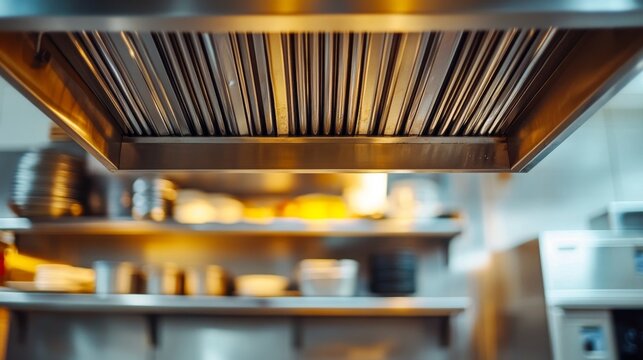
Grease Trap Cleaning Pumpout Process:

Locating the grease trap location. Grease traps are located on the food establishment’s premises,either outdoors or indoors. Outdoor traps may be identified by its manhole covering or septic tank design. When a grease traps is situated indoors, it is located in the restaurant’s basement (directly beneath the kitchen), under the kitchen sink or under a metal flashing in the kitchen flooring. 

Working with cool water to allow the fats, oils and grease to float to the top. Wait ten minutes once the hot wastewater has been released from the dishwasher or sink and cools. Access the notorious fats, oils and greases by carefully prying off the grease tank cover. A delicate and critical component, known as the gasket, can be damaged if you attempt to lift off the cover without precaution. The crowbar comes in handy at this point, unless the grease trap cover is bolted down. You’ll have an easier time if the grease trap features a molded plastic lid, which readily snaps off. You’ll be met with a two-inch thick layer of grease sludge. Remove the floating FOGs with a scoop. Once the fats, oils and greases are lifted out of the tank, water and leftover food solids will remain. A powerful shop vac is useful in removing the residual solids and water. Be sure the automatic dishwasher is turned off and the sinks are not in use to prevent the grease trap from continually filling up while you are working.

The next process is to scrape off the trap’s baffles, sides and lid. Using the specialised vacuum we suction out any solidified grease particles that may be lodged in the recesses of the trap. Next, we refresh the grease trap and free the tank from obnoxious odors with a little elbow grease, a steel pot scrubber, dish soap and tepid water. Thoroughly scrub down the grease trap’s baffles, sides and lid. Flush out the soap and debris a few times using clean water. You’re left with a sparkling clean grease trap—one you should have every four to six weeks.

We will ensure the grease trap is free from all traces of FOGs and that blockages do not prevent water from easily draining. Adelaide Hills Septic will properly dispose the collected fats, oils and greases.

Restaurant Grease Trap Cleaning

Commercial kitchens are required to house a grease trap on their premises. Fats, oils, greases and solids (FOGS) are produced by cooking and a portion winds up in the kitchen drain. The grease trap prevents the FOGS from clogging the city sewer system.

Schedule regular grease trap cleanings with Adelaide Hills Septic ensure your food establishment abides by SA local ordinances surrounding grease trap maintenance. We will  ensure the waste from your grease trap is disposed of properly and in accordance with state regulations. 

Adelaide Hills Septic Grease Trap Cleaning Specialists